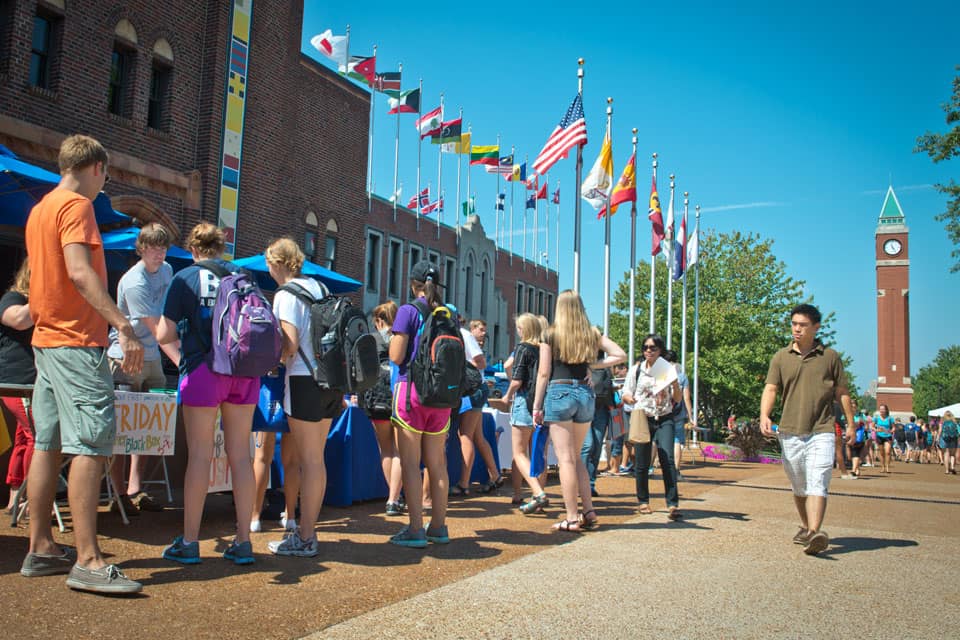


A student-led initiative at Saint Louis University leads a community-based prevention training initiative to educate students about mental health. Last spring, on-campus club Stop the Stigma SLU (STS) began offering a suicide and mental health awareness training they developed for students and student organizations to help them recognize warning signs, have productive conversations with people they are worried about and learn more about mental health as a whole.
Mental health advocacy on college campuses is evolving, and student-led initiatives like STS are leading efforts to create a more open and resourceful environment for students. Starting conversations around mental health and possible resources is crucial for getting college students the help they need.
The club has technically only been active for less than a year. Before Fall 2024, they were operating under the national organization, Green Bandana Project. However, when Green Bandana went through an ownership transition, they started charging a steep fee of $1,500 a year for university chapters to access their resources.
For the SLU chapter, such a price simply was not feasible. Last year’s club president, Jayden Radtke, took matters into her own hands and created a mental health training independent from Green Bandana. Radtke’s decision marked the start of the chapter’s transition into Stop the Stigma SLU. STS officially launched their rebrand on Nov. 24, 2024.
“The transition was very slow,” said Radtke. “We had to regroup without much guidance. There were a lot of questions. Am I even allowed to rebrand this club? Am I going to get sued?”
The college mental health crisis is a growing concern nationwide. According to the American College Health Association, nearly 77% of college students have experienced moderate to serious psychological distress, yet many do not seek professional help due to stigma or accessibility issues.
Despite the presence of campus mental health resources, many students still struggle with these barriers when seeking help.
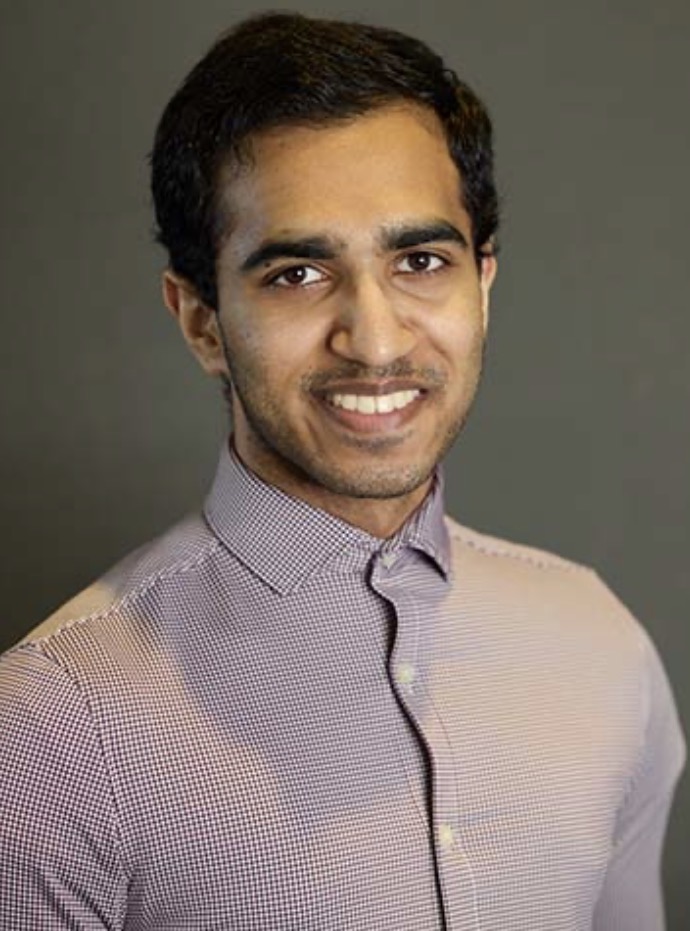
“Some gaps in mental health support on campus include inaccessible resources for help and making it a taboo subject,” said Ishya Mukkamala, a junior psychology major who serves as the current STS co-president and was formerly their event coordinator.
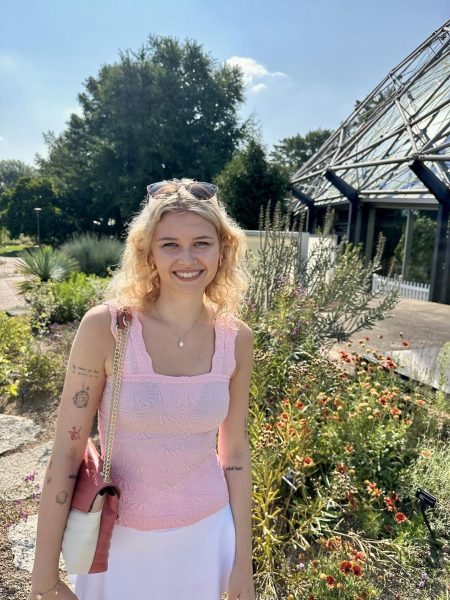
Stop the Stigma SLU’s main mission is to make these conversations more accessible and commonplace among the university student population. Ivy Ibay, a senior nursing major and former STS secretary, noted that many students fear how they will be perceived if they seek support.
“The most common challenge is that a student might be too scared or worried about how people might perceive them because of a mental health issue,” Ibay explained. These fears can prevent students from reaching out, even when resources are available. “Mental health struggles aren’t always as visible as a broken bone, and that can make it harder for people to validate their own experiences.”
One of the primary initiatives that STS currently promotes is its mental health training, which is designed to educate students about discussing mental health and suicide in safe and constructive ways.
“It’s about an hour-long training that talks to students about how to talk about mental health and suicide in safer and healthier ways. It also really works to bring forward the facts and figures that show that you aren’t alone,” said Radtke.
The training emphasizes the importance of breaking down stigma, understanding mental health on various societal levels and adopting appropriate language.
“Stop the Stigma hopes to make it a normal topic to discuss, so that those struggling can talk to a trusted peer and get either that hotline number or therapy resource that they need,” Mukkamala said.
The training also informs students about available mental health resources, including the differences between calling 988 and 911. With the help of campus wellness officials, the program revamped, becoming more evidence-based and comprehensive and moving beyond its Green Bandana roots.
Beyond training, STS hosts mental health events throughout the semester, including yoga sessions, journaling nights and therapy dog visits.
“Our main mission is to really emphasize the importance of peer-to-peer interaction when it comes to taking down the stigma,” said Radtke.
Part of facilitating these peer-to-peer conversations also means creating spaces for them to happen. Some students do not know how to talk about suicide or mental health awareness, and some feel like they do not have an outlet for those kinds of conversations — societal stigma makes it hard to bring up these struggles casually.
“During other semesters, when we haven’t been dealing with all the craziness, we’ve offered a lot of different events, where we love to get people together and just talk about things,” Ibay said.
STS e-board members emphasized the role of collaboration in their outreach efforts. These collaborations extend beyond campus, with longstanding partnerships with organizations like NAMI and the Veterans Association.
“Keeping an open mind and communication, especially when leadership changes over, is super important. It can be intimidating reaching out to professionals, but they are always so willing to help out college students because they know how important this work is,” Radtke said.
Through these initiatives, STS is making a tangible difference in the SLU community. Mukkamala expressed how trainings like the ones STS provides help raise awareness about the stigma and the struggles that some people face and help people be able to reach out for help themselves.
“My involvement with this club and initiative has brought much more awareness of mental health into my life, and it has completely shaped my hope to help the SLU community get mental health support whenever they need it,” said Mukkamala.
Ibay also emphasized how STS contributes to changing perceptions around mental health by improving access to mental health resources on campus.
“[The club] is able to instill a sense of belonging within our community as well as reduce the stigma about asking for help. When you break a bone, you go to the doctor’s office and often undergo some sort of physical therapy to aid in the healing process. It’s the same concept with mental health,” Ibay said.
As the organization continues to grow, STS leaders remain committed to expanding their programming and maintaining campus and community partnerships.
“This year has given us a lot of challenges, but we have learned that despite the rebrand, there are students who still want to make an impact on improving mental health resource accessibility and our overall community,” Radtke said.
With ongoing collaborations, evidence-based training and community-centered initiatives, STS is actively working to transform the conversation around mental health at SLU, ensuring that no student feels alone in their struggles.
Editor’s note: Reporting for this story was originally done in Spring 2025.