

On Jan. 15, SLU announced a financial aid program that offers full tuition for students from low-income families.
The new program, the Tuition Promise, will launch in fall of 2026. It will allow any freshman whose family earns less than $60,000 a year and has less than $50,000 in assets to apply for the assistance, which covers up to 10 semesters.
In addition to meeting the financial qualifications, applicants must possess at least a 3.00 GPA, fill out the Free Application for Federal Student Aid (FAFSA) by the priority deadline of Feb. 1 and fill out the program’s application by May 1. If accepted, students must maintain at least a 2.00 GPA and live on campus. There are currently an unlimited number of spots available in the program.
In a statement, President Edward Feser said, “SLU’s new scholarship reflects a longstanding promise – to create new paths to learning, growth, and opportunity, so that young people can dream big and build lives of meaning, purpose, and prosperity.”
The program will be funded by federal and state grants, along with gift aid. While it will not cover other attendance costs, such as books, room and board, or classroom materials, students accepted into the program will still be eligible for other forms of aid, like private loans and scholarships.
Jean Marie Cox, the university’s interim vice president for enrollment management, spearheaded this program, along with the efforts of Student Financial Services (SFS).
“Looking at years of data and how we could improve our aid strategy to serve the students who need it the most, and really emphasize transparency, was the most important thing from this program,” Alex DeLonis, vice president of SFS, said. “Our goal is to continue expanding on this program. We want it to be successful, and we want to continue to expand the program so that more students qualify.”
Current SLU students had mixed feelings on the new program, but most are hopeful of the opportunities it may bring. One worry is the ability to pay for the required on-campus housing and other non-tuition expenses.
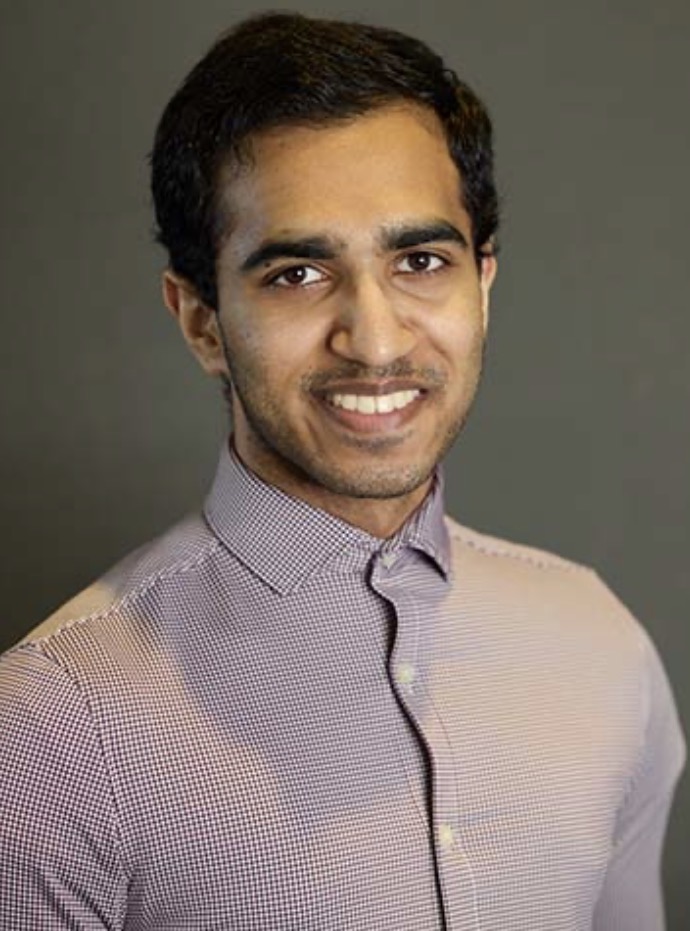
Others, like Sailesh Bhattarai, a sophomore, pre-med computer science major, are more concerned with the financial burdens that current students are handling, and believe they should be the ones having barriers to education removed.
“I think the new SLU tuition promise is a wonderful thing. As someone who came from a similar background to those who would receive the tuition promise, I know it will do wonders for them and their family. I do have one concern, which is that they would be required to stay on campus,” Bhattarai said.
Siyani Scroggins, a public health and health management double-major with an urban poverty studies minor, presented an alternate perspective.
“I think it is a moral sacrilege for an institution for higher education, especially a Judeo-Christian or Jesuit one, to make it their initiative to remove financial barriers from prospective students seeking a college education who have yet to arrive, instead of removing the financial barriers of current students,” Scroggins said.
Scroggins, cited numerous examples of struggling students who are self-supported and not benefiting in the same capacity as those supported by the Tuition Promise.
“If we stand for ‘things as they ought to be,’ then I say that it ought to be affirmed that current students have earned their place here, as they have made it their due diligence to have a quality education here at SLU. Thus, their barriers should be removed first,” Scroggins said.