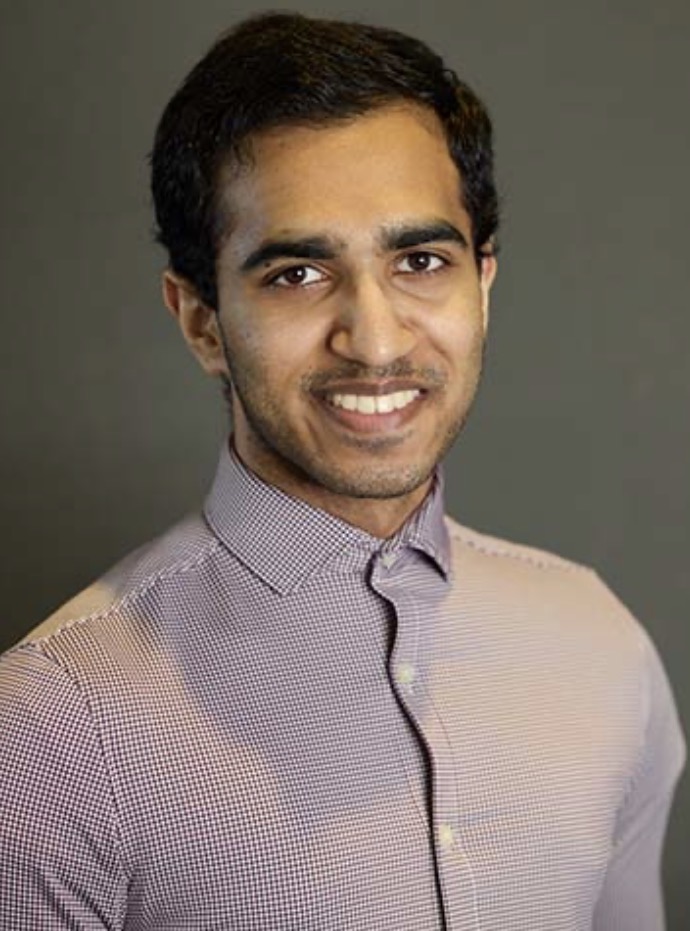


With the 2026 Saint Louis University Student Government Association elections rapidly approaching, Mason Bader and Sophia Lee are the two presidential candidates set to appear on the ballot.
The 2026 election cycle for SLU’s SGA began on Jan. 16 when the election commission released the election packet to students. Applicants began gathering signatures to have their names appear on the ballot.
Candidates were announced Jan. 30, and winners will be announced Feb. 28. The elections include positions for senators to represent each of the schools within SLU, six vice president roles and the student body president.
Bader is a junior studying psychology with a minor in Spanish on the pre-law track. He is a resident advisor for the diversity and global citizenship learning community. He is also the student success chair of the strategic plan and a University Ambassador. In SGA, he is the speaker of the Senate and a member of both the internal affairs committee and the student organizations committee.
Lee is a junior studying nursing. She is the founder and president of SLU En Pointe, a member of the great issues committee and a researcher for Luking Lab. In SGA, she is the vice president for academic affairs and the chair of the academic affairs committee.
The two presidential candidates sat down with The University News’ Lydia Morgan to discuss their platforms and why they are running for the position. The following responses have been edited for clarity and length.

“Why did you choose to pursue this particular leadership role?”
Mason Bader: “I chose this role because I have now been a part of SGA for two years. I started out as a senator for first-year students. I loved it and got really involved. I came back this year and I was able to become the speaker of the senate, which is an elected position. I have gotten to get really involved with the different areas on our campus, and doing so has given me this idea of wanting to expand on that role. One of the best parts about being on the committee of student organizations is … I sit with different organizations, have a quick little meeting with them, and I get to know a little bit more about their club and those are some of the highlights of my year because I get to learn about so many different clubs on this campus. With that knowledge, I’m excited that in this new role as president, I’ll be able to support those organizations … and see what I can do to make sure they are thriving, and they are going to expand for years to come.”
Sophia Lee: “I think, by being student body president, it is the quickest way to the administration that you could possibly be. A lot of my current role has been speaking with administrators, so I’ve gotten a lot of practice in that. Meeting regularly with the president himself, speaking with the board of trustees, that’s a position I want to find myself in so that I can feel like I can continue to make these big changes that I have in mind for the campus.”
“What’s something that you’ve accomplished or that you’ve worked on that you’re really proud of during your time as part of SGA?”
MB: “Earning the role of speaker, I’m really proud of. Being in that role has given me the opportunity to really hone my abilities for time management and organization, because I’m the one that sets the schedule for the Senate. So, being in this role, I’m really proud that I’ve created an inclusive community within the Senate that any group’s able to come in. I think our Senators have a lot of fun, and I think they really enjoy actually coming and spending two hours a week with us in our Senate, and I really love getting to see our groups come in. I think they have a good time as well.”
SL: “I’m really proud of the way I’ve been able to facilitate conversation through my previous roles. I think as a senator and then especially in my executive role, I’ve kind of served as the bridge between administrators and the student body. A lot of my job is to make sure the student voice is not only heard, but that the conversation can continue to happen. I think students, rightfully so, get frustrated with not feeling like they are heard by the upper level management of the university. I think it’s always better when the students can talk face to face to their deans, or their professors or faculty. It’s always one thing that you have a conversation about something or it’s just an idea at first, but when actual physical change happens, like, that’s when you feel the most fulfilled in those positions.”
“What’s a key value that you hold and how would you apply that to this role?”
MB: “I think a really big value I based my campaign on is empathy. Being an RA, you get to practice empathy a lot, speaking to a lot of students. I want them to feel like what they’re saying to me, I’m hearing. I can actually help them with the issues they’re going through or challenges that they’re facing. I think empathy is something everyone wants to feel. A lot of conversations that get brought to the Senate or to the SGA president can be pretty hard and difficult conversations. So I want to face those issues with empathy and ensure I’m listening to students and I’m actually hearing them so that I can support them in any way that I can.”
SL: “I really want to hone in on accessibility on campus. Personally, I’m neurodivergent and have experiences with academic accommodations and it’s been a lifelong battle with learning how to advocate for myself and also to educate my peers and sometimes my teachers on when I needed it. I really want to … make sure that academic resources are tuned in to what different students of different needs need to be successful. I want every student to feel like these resources, that this campus, is somewhere they belong and where they have the tools they need to grow into the people that they came here to become.”
“What’s something you think SGA could do better?”
MB: “I think amplifying student voices can always be improved. Last week, our DLC committee hosted an ICE vigil for all individuals that have been affected by ICE violence. I think that is a really good step for more events we should be focusing on. One of my ideas for next year is I want to create new listening sessions where students can come talk to either myself, one on one, the entire executive board or SGA as a whole, where we can hear students and actually see new issues and new topics that they’re facing. Another idea I have with that is shared governance. The concept that any decision made by administration at our school that affects students should be made with student input. I want to make sure students are a part of the conversation with the administration, to ensure our students are supported to the best of our ability.”
SL: “I think one thing SGA could work on is actually making tangible changes sustainable. A lot of times we have short-term goals that might last just between each of our terms. I’d want to make sure we’re seeing these projects through, not just as exec members, but also as senators, that they feel like they are able to make tangible lasting change on campus. I really want to help facilitate that expectation of having a passion project or an individual goal between the committees and our senators is what I think I would work on.”
“As president, you would not represent a limited constituency in the way senators do, but the whole student body. How would you make sure you could represent the diverse interests of students and really make sure those voices are heard?”
MB: “While only maybe a few people per area are in our senate … that shouldn’t be the only people that we hear from. I want to create more listening sessions, to hear other student voices, to ensure I’m actually answering all students’ concerns, not just a limited number of students. There are 16,000 students in the entire school community. I want to ensure I’m amplifying all voices in all areas, and if that requires me to go to those other campuses and speak to students directly, that’s what I will do. If I don’t know about what’s going on in our campus and I don’t know what students are facing, unfortunately, I can’t do anything about it. I want to find new ways and new avenues to have students communicate with myself and the whole SGA organization.”
SL: “I think the biggest part of reaching different groups on campus is to meet them where they’re at. I think you have to make yourself very visible and very open to having difficult conversations about issues that I might not totally be aware of or educated on. I think that listening is the first part of that. I think that the first step is gathering as much student feedback as I can get my hands on and then making a plan to see how we can make things better.”
“Is there anything else you want to add? Anything you did not get to cover with any of these questions?”
MB: “I want to touch briefly on the Office of Belonging. I know that is an area of concern for a lot of students. I want to make sure we’re being transparent about it. Unfortunately, I have not been able to be in a lot of the conversations with the Office of Belonging in my current role. So hopefully next year in this new role, I’ll be able to get into those conversations and I can bring information to the students more directly I know a lot of students feel the fear of the world we’re in right now, and I want to ensure I can support them in that and make sure their fears are being answered in the best way possible. I want to ensure [the Office of Belonging] is advocating for students and supporting students the best way possible.”
SL: “I am so grateful for my time at Saint Louis University and I’m so grateful for my time with the student government. It has taught me what it truly means to be a leader. I feel super fortunate to have had that experience. And I hope that I can continue to serve the student body as their president.”
Elections for all SGA positions will take place on Feb. 26 and 27 through SLU Groups.