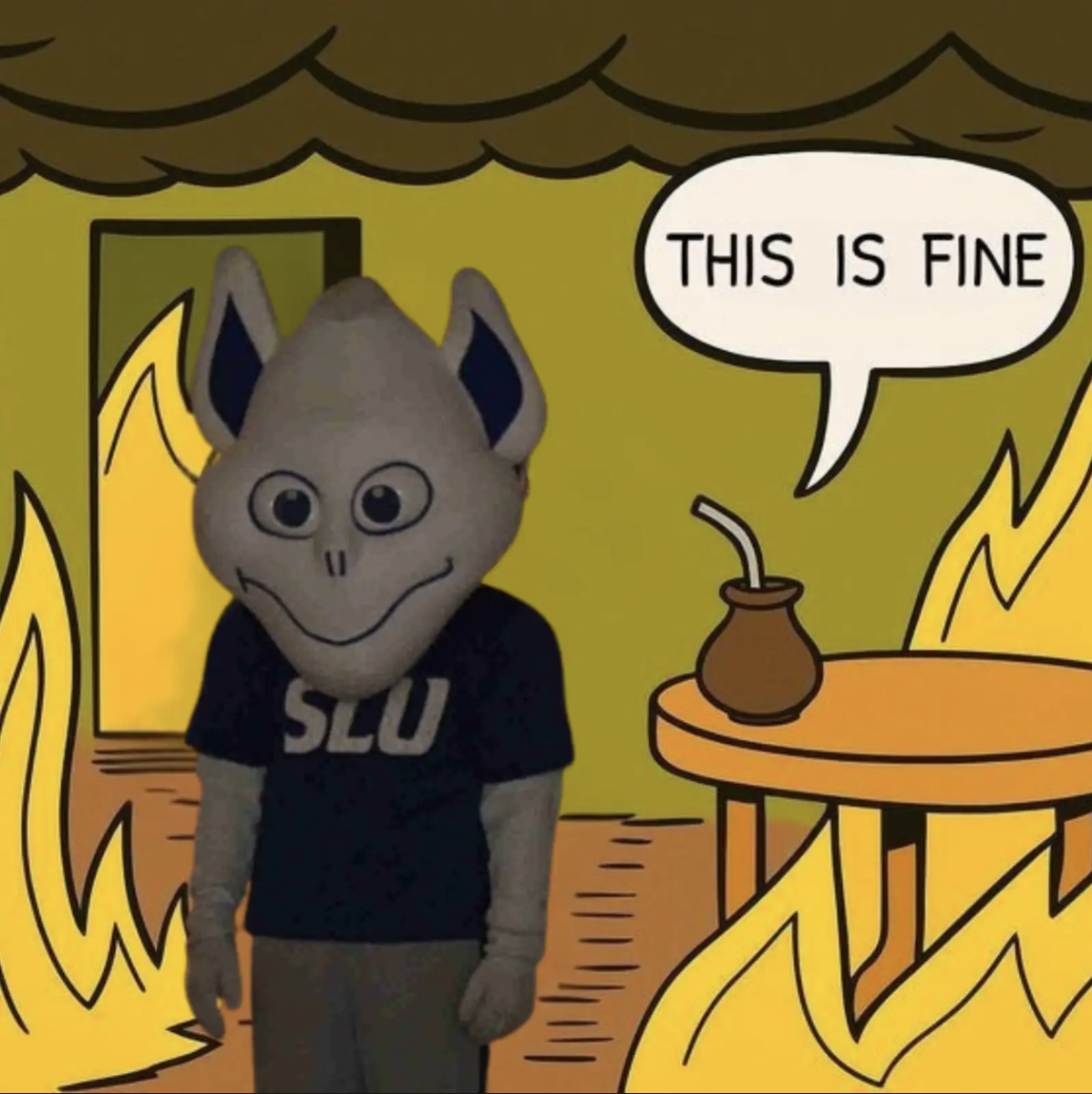

The concept of a “meme” was introduced by evolutionary biologist Richard Dawkins in his 1976 book “The Selfish Gene,” as a unit of cultural transmission. Nearly 50 years after the fact, Dawkins’ initial fascination with how humans communicate through symbols and shared cultural consciousness has progressed into something that is more compelling and entertaining, but also more ripe for manipulation.
Scroll through your TikTok or Instagram feed for five minutes. You’ll find endless social commentary and political humor, most often in response to current controversy and breaking news. These platforms have billions of users who are constantly being fed content intended to maximize engagement through the use of advanced personal algorithms. While this style of content originated from the short-form comedy app Vine, the users of modern platforms have made their apps a one-stop-shop for all the content an individual may want to consume, blurring the lines between actual news and pure entertainment.
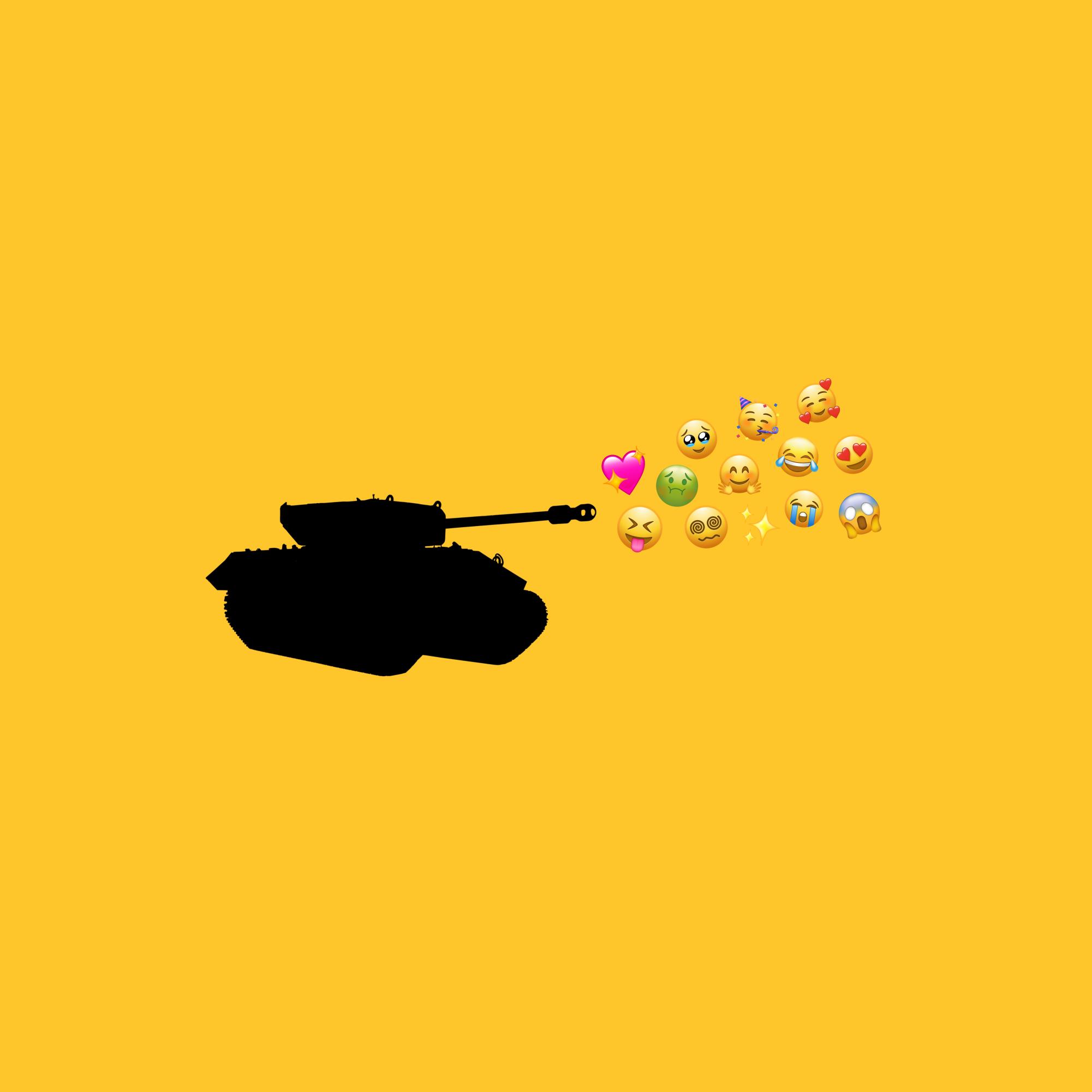
This helps to contextualize some of the content we observe in modern meme culture today as it relates to political current events. Memes related to the conservative commentator Charlie Kirk, such as “Kirkinator” and “Kirkifying,” circulate widely online. Another very popular format is short-form, highly stylized compilations of military hardware footage – colloquially referred to as “edits.”
Less widely known but particularly revealing memes include references to and imagery from esoteric right-wing ideologies, such as “Agartha,” or collections of images taken from the recent release of Epstein files set to trending music. While this content seems ridiculous and clearly satirical on its face, there is a much more complex dynamic underpinning it.
This raises a few important, but broad questions: Where are these memes coming from, who are they trying to reach and what are they trying to achieve? While the general public has remained largely ignorant of Dawkins’ concept and the resulting field of study, “memetics,” some specific government forces, as well as organic extremist movements, have recognized the critical importance of information environments for decades.
Starting in the late 1990s, U.S. federal intelligence and military tacticians began research and development into the use of memes for specific and targeted ideological purposes, an offshoot of memetics known broadly as “memetic warfare.” Memetic warfare has been cited as critical to NATO’s strategic communication, and has been covertly utilized by individual state-actors in the 21st century, as demonstrated in the 2017 “Vault 7 leaks” from the CIA. Use of targeted memetics rapidly increased during the 2016 U.S. Presidential election and has been a key influence in the growth of the alt-right movement we have seen since.
While I am not arguing that the CIA and our foreign adversaries are behind all of the meme trends we see today, it is important to note that these actors have both the incentive and ability to circulate memes online. That F-22 edit you may have just seen can be understood as normalizing the use of more advanced and lethal forms of military force. That Charlie Kirk meme you may have just shared with your friends could have been employed to colloquize the political and public violence his death exemplifies. And those Epstein jokes that many can’t help but laugh at can soften how we view sex trafficking and the implications it has for government accountability worldwide. Memetic warfare gives a new angle for analyzing memes that informed citizens anywhere should have in their intellectual arsenal.
While the current state of memes is a far cry from what Dawkins originally imagined, his vision and contextualization of memetics within “The Selfish Gene” is a critical point of reference for us now. Dawkins argued that memes behave in a similar fashion to genes – they are ‘selfish,’ chosen on their ability to replicate from person to person through cognitive imitation. Memes are not chosen by society because they offer something objectively beneficial, but rather, because they are convenient and easily transmissible through the modes of communication we utilize.
With this in mind, I implore you to re-evaluate whatever assessment of memes you may hold and to consider the power that they hold in our modern media landscape. Not every single meme that you see is a targeted item of social manipulation, but being aware of the powers that be that are currently utilizing forms of memetic warfare will sharpen your insight into what your timeline may be trying to convince you to do or believe.