

Recently, it was announced that an Artificial Intelligence likeness of the late actor Val Kilmer would appear in an upcoming film, “As Deep As The Grave,” with permission from his family. Kilmer was originally supposed to play the role in 2020, but was unable due to his battle against throat cancer, which led to his death in 2025. Naturally, this caused some outcry on the internet, and for good reason.
AI has been seeping into Hollywood for some time now, thanks to corporations that want to save money anywhere they can. This means replacing writers, animators, and background extras with cheap and artificial means. Now, even actors are being supplanted.
This latest situation is only the most recent in a long history of Hollywood attempting to replace real people with artificial actors. One of the most well-known examples is Tilly Norwood, an AI actress created by Eline Van der Velden, former Dutch actress, in order to become a famous movie star. Van der Velden referred to Norwood as “the next Scarlett Johansson or Natalie Portman”, two actors who spent years working their way up through the industry, unlike Tilly.
Reactions from the SAG-AFTRA union have been strongly against Norwood’s potential debut, outwardly denying Tilly and these other “actors’” memberships to the union. SAG’s president and veteran actor Sean Astin said in response to Tilly, “There’s a difference between pushing the envelope and tearing it up … the onslaught of the AI products and AI technology and its uses is, it’s overwhelming.”
Tilly is only one in a string of ventures from money-driven corporations attempting to raise their bottom line. Kartel.ai is another popular example of an AI startup that specializes in AI videos and ad campaigns, founded by former entertainment executive Kevin Reilly.
Despite this outright rejection from the guild, there has been some fracturing of opinions amongst actors, with some supporting the change and, disappointingly, even launching their own ventures. Ben Affleck started his own AI company, Interpositive, which was recently acquired by Netflix. Matthew McConaughey licensed his voice to the AI voice generation company ElevenLabs and says he would rather get paid while the interest is high. This is incredibly disheartening behavior from veteran actors, who are now helping take away work from newer actors in an already shrinking job pool.
Even with all the disagreements and ethical implications, acting still comes down to being able to deliver a moving and convincing performance, a skill that AI simply does not have. When an artificial actor can only copy the expressions and performances of other actors, a unique or novel production is not possible. An AI can not act in a never-before-seen environment, deliver a never-before-seen monologue or create a memorable never-before-seen moment.
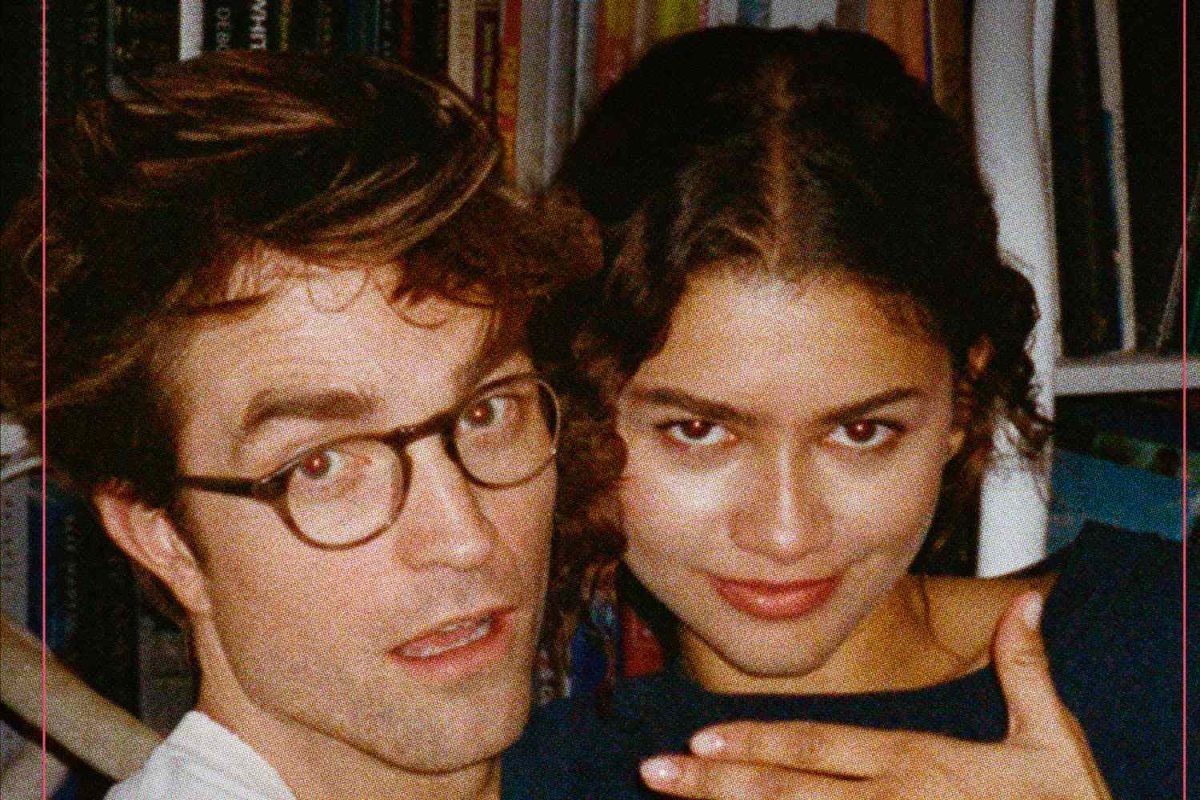
What makes the recent news about Kilmer even more egregious is that the actor has been so sharply focused on honing his craft. In the 2021 documentary “Val,” Kilmer and those close to him discussed his history as an actor. In this biographical film, audiences could see how Kilmer had always been driven by his motivation to grow as an actor and become better, choosing roles that he felt made his abilities stronger. This AI likeness version of him spits in the face of his legacy, turning his small-but-mighty catalogue into one stained by an artificial role long after his death.
It also sets a concerning precedent for the future of Hollywood. Who is to stop these companies from resurrecting other old actors, or even living ones that don’t agree to be in a film? Deepfakes of famous actors already plague the internet, and these AI performances would blend right in. This would also lead to issues in finding new talent.
Hollywood is already plagued by nepotism and influencers-turned-actors. These have taken opportunities away from real up-and-coming talent that is then forced to focus on smaller roles that are already becoming less and less common.
A glimmer of hope is that the various entertainment unions have worked hard to prevent AI from making its way deeper and deeper into the system. In the recent actor’s strike, the SAG-AFTRA union forced major protections against AI, ensuring that people would be placed first before AI. But corporations will always look for a way to take advantage of loopholes, which are bound to appear.
At this current moment, the technology is not strong enough to replace an entire ensemble cast, but the possibility is clearly in the near future. Moore’s Law states that the level of technology will double every two years, and this creates exponential growth in output, especially in the area of AI. If people are not put first and real protections are not enshrined in laws, AI will become a real threat. In crucial moments like this, audiences need to be like Kilmer and push for bigger and better.