



How is it possible that so often, we end up with two distinct narratives from the same set of facts? You have probably seen this happen plenty of times in your life. With friends and family, you can debate what is right and wrong, but in journalism, the divide is the difference between a culture war and shared understanding.
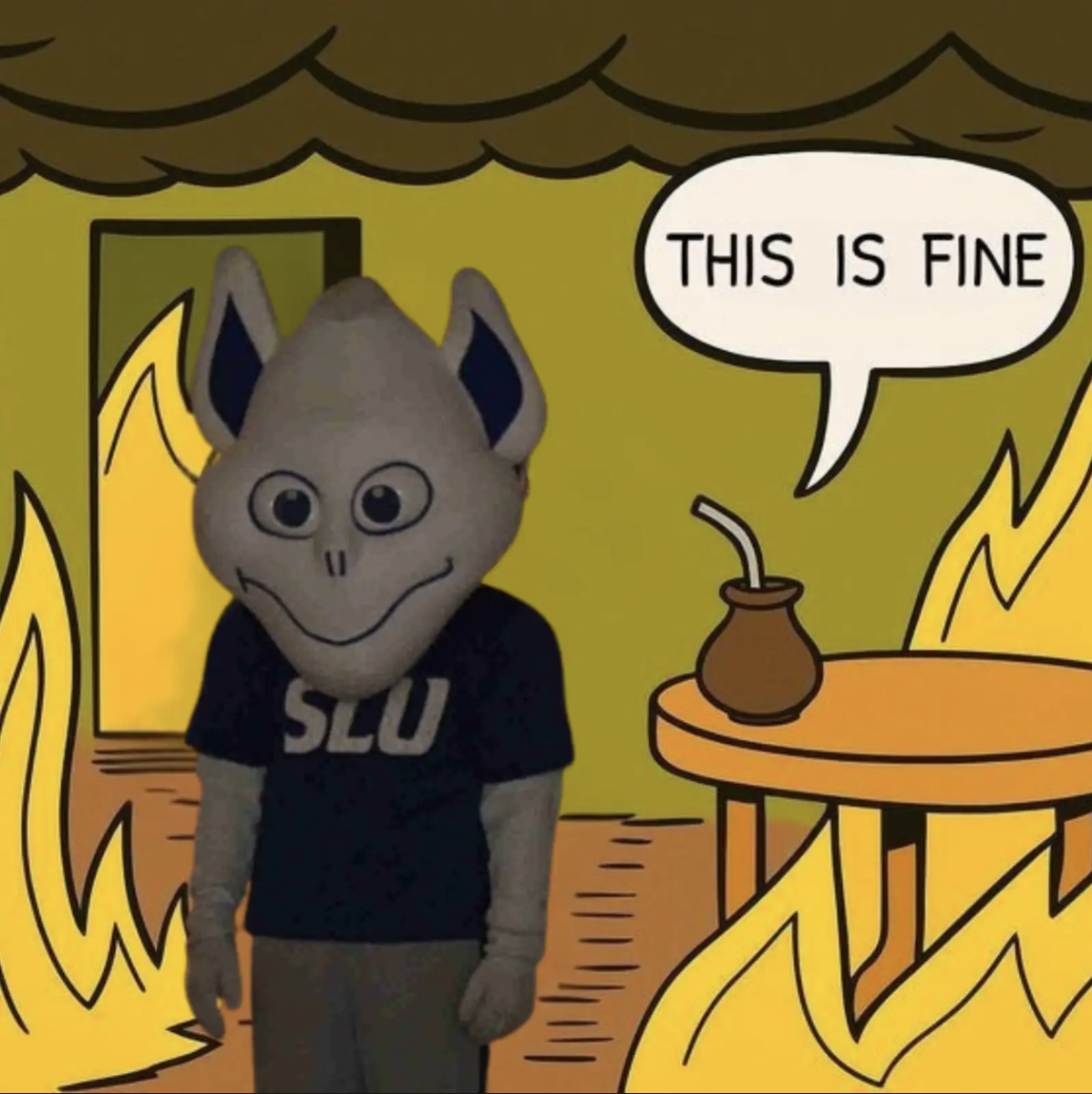
While news outlets like CNN and Fox News don’t even try to hide their bias, other outlets like Reuters and AP advertise their unbiased approach. It is true that their reports tend to be strictly factual, bias seeps into the press through the facts they choose to present and what goes unsaid. Bias by omission is a huge factor in journalism, as some news outlets will choose to present certain facts that make their narrative stronger while avoiding others that support a different narrative.
The bias ultimately stems from people, who are scientifically shown to be biased at an unconscious level, regardless of whether they are aware of it. We tend to engage in, believe in and support things that are comfortable to us. If something is uncomfortable, people are great at finding ways to stay delusional. Since news outlets want to maintain viewership, uncomfortable journalism is hard to come across nowadays because there is always another option.
Is unbiased journalism possible? I think it is impossible, and if you disagree with that, then I would love to see a good argument to consider it, but you are probably just wrong, and I do not care how biased it sounds for me to say that.
How do we stop this bias from creating echo chambers that only sow division between people? The answer: constructive discourse. Aristotle once said,“It is the mark of an educated mind to be able to entertain a thought without accepting it.” Even just contemplating something that one does not necessarily accept is a skill many tend to overlook to remain comfortably ignorant. I have heard too many people, including myself, end arguments with “because that’s just how it is” or “you might be right, but I don’t care.” Sometimes, when they are really wrong: “OK, why does this even matter to begin with?”
The point of dialogue is to discover not just facts, but truth with others through critical thinking, something Instagram and TikTok have taken away from us. I am okay with that because I need my dopamine, but still, coming to a collective consensus through dialogue rather than just believing what you see online is an effective measure to prevent the intrinsic bias journalism is not able to escape.





Dafydd Richards • Dec 17, 2025 at 6:33 am
Great topic and ideas but I am left unsure with the execution, particularly the last paragraph. The highlight for me is the switch of voice and language to show the key difference between biased and unbiased journalism as the medium through which it was done was highly pertinent.
That said, I would have liked for each point to have been expanded upon (an example of how a story can be used to perpetuate a narrative by left and right leaning media, or a seperate article on social media and its effect on bias/ lack of constructive discourse.
The article may also fall into a logical falacy by using Aristotle as the reason for your answer to be correct. The previously mentioned point on unexpanded arguments worsens this, resulting in an unconvincing and underdeveloped answer. Little consideration for other answers also.
Personally, we need to take more responsibility (not blame) about our actions and the way in which we interact with media and social media as a mode for self-empowerment rather than blame an external force. The latter is not only unproductive, but it might also ignore any power that we have as the consumer, a very dangerous path to go down. It is also relevant to say that our habits can influence the media from the bottom up.